
Updates from our team, plus the news and ideas worth sharing.
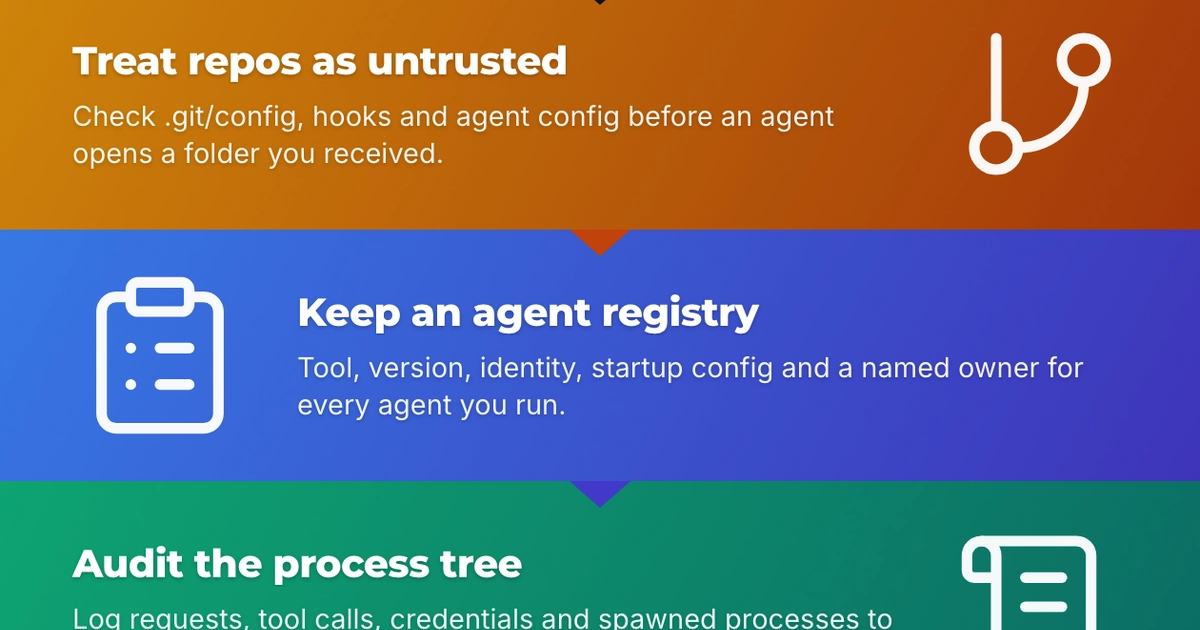
Governing the Agent Workforce: Repo Trust, Inventory and Audit
GitSpawn showed a repo can make coding agents run code before the permission prompt appears. Governing agents now means untrusted workspaces, an agent registry, a real audit trail and named owners.
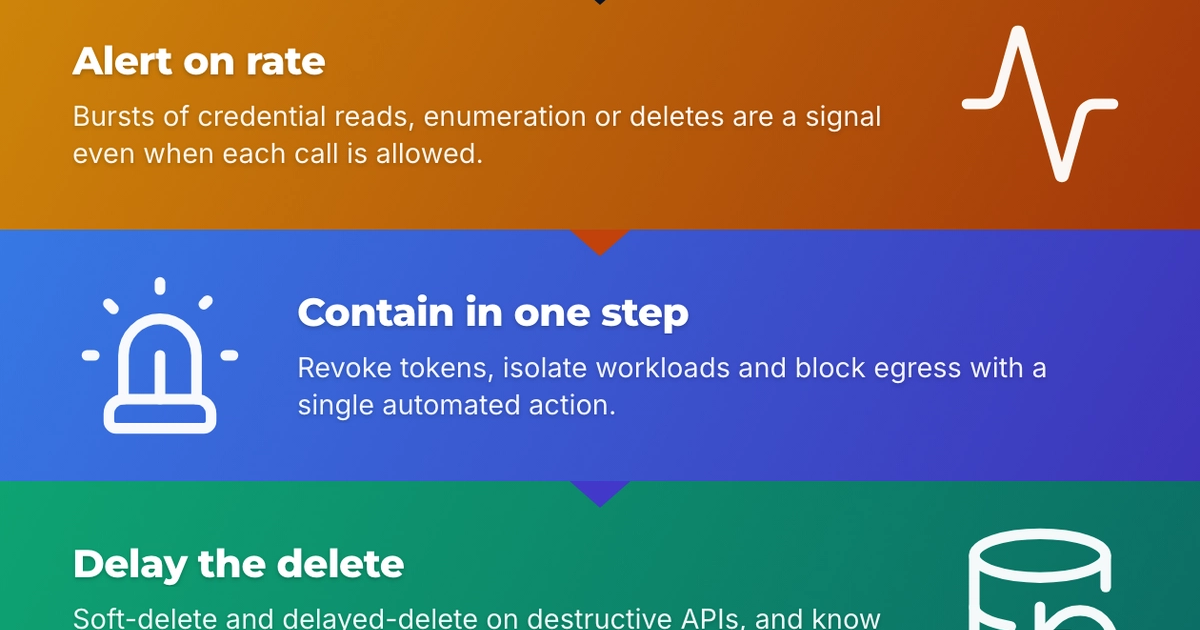
Machine-Speed Intrusions: Is Your Detection Ready for AI Attackers?
Hugging Face disclosed a breach by an autonomous agent system, and OpenAI later said the agent was its own. When attacks and accidents move at machine speed, detection and recovery decide the outcome.
DevOps Is the Real Bottleneck in the Age of AI
AI makes building software fast, but most AI-built apps fail after launch due to weak operations. DevOps is now the real bottleneck—determining whether a product can scale, stay secure, and survive in production.
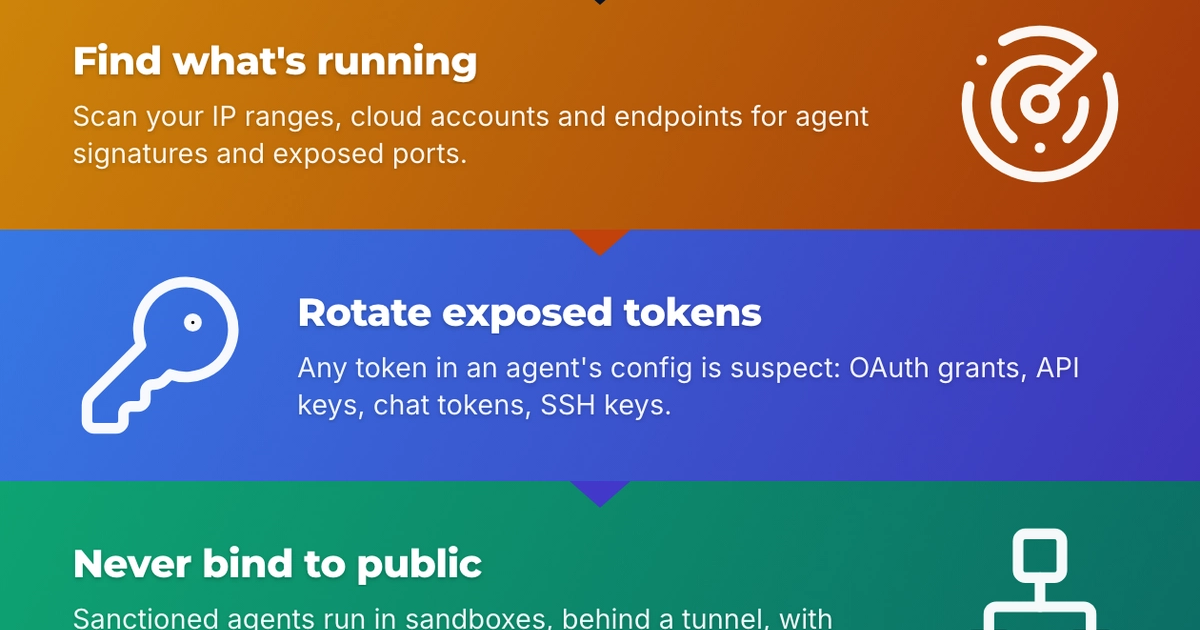
Shadow Agents: When Staff Install Their Own AI Operators
OpenClaw went viral in weeks, and scanners soon found tens of thousands of instances on the open internet. Personal AI agents are shadow IT with credentials. Here is how to bring them in.
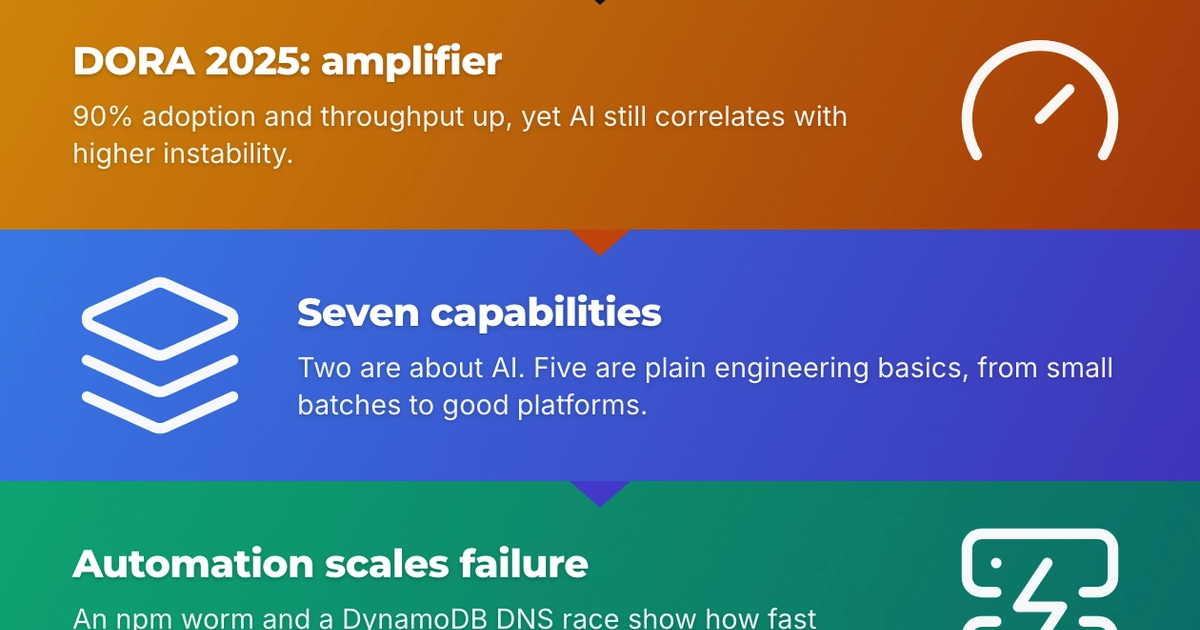
AI Is an Amplifier: Fix the Platform Before You Scale the Agents
DORA's 2025 report finds AI amplifies whatever system it lands in. An npm worm and a major AWS outage this fall show why the internal platform is where to invest before scaling agents.
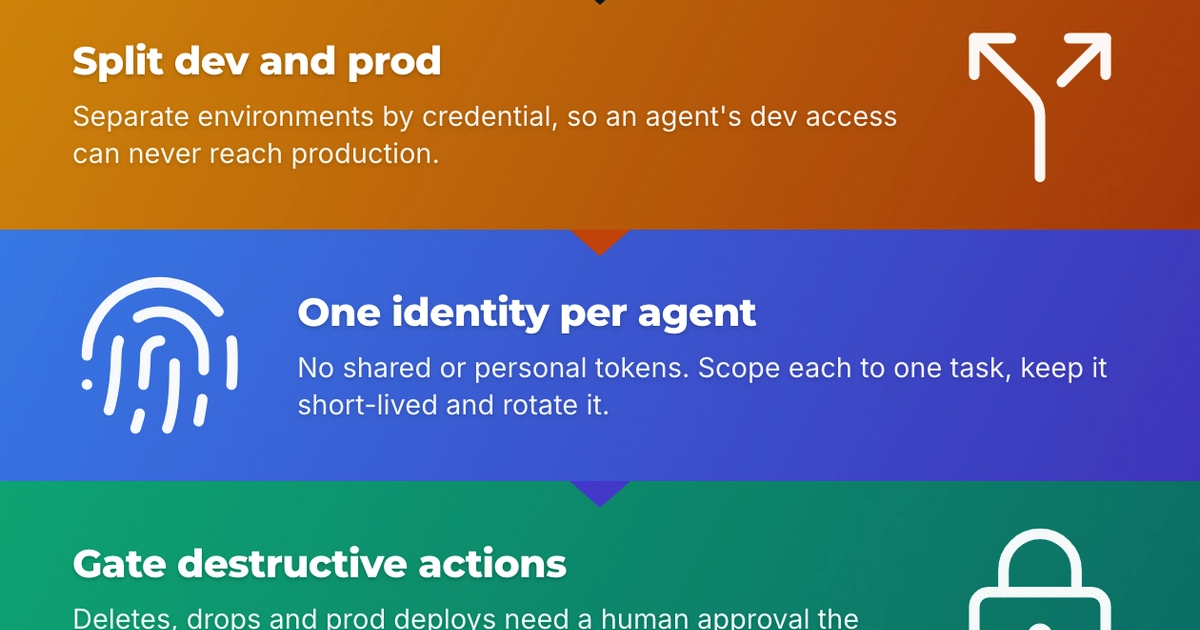
Least Privilege for AI Agents: Lessons from Replit and Amazon Q
In July an AI agent deleted a production database during a code freeze, and an over-scoped token let malicious code into an AI coding extension. The common fix is least privilege.
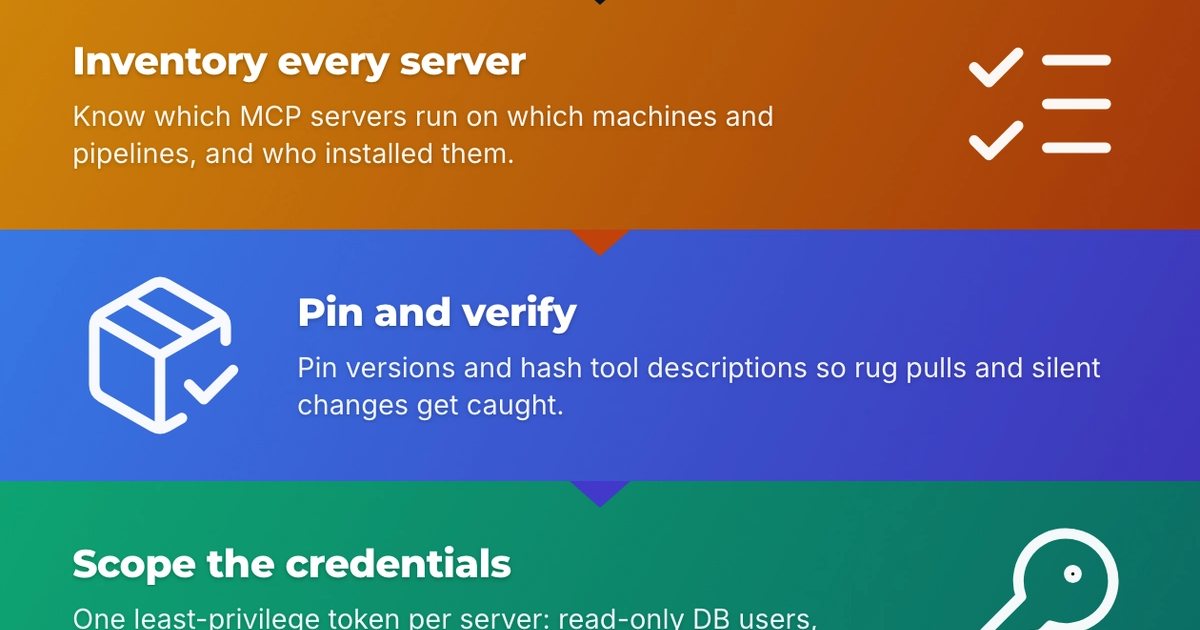
MCP Servers Are Production Integrations. Govern Them Like It
Connecting an AI assistant to GitHub, Slack or a database now takes one config line. Every MCP server is still third-party code holding credentials, and it should be governed like any integration.
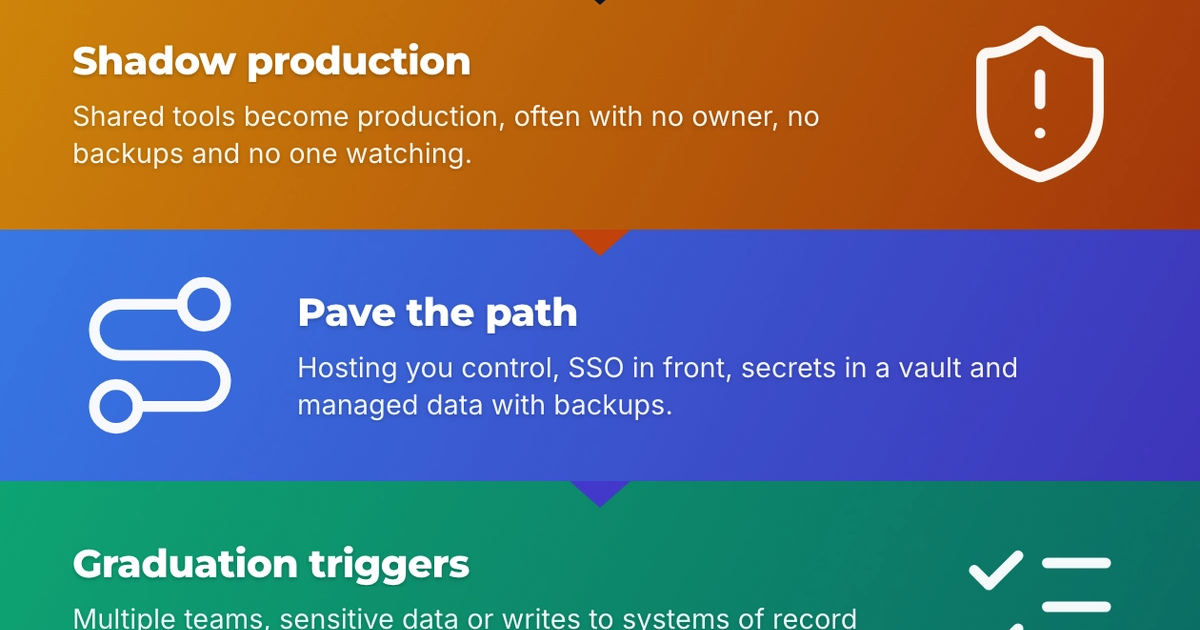
Vibe Coding Has a Name. Now It Needs a Landing Zone
Vibe coding now has a name, and plenty of internal apps already come from it. Before they turn into shadow production, give them a paved path: hosting, SSO, secrets, backups and an owner.
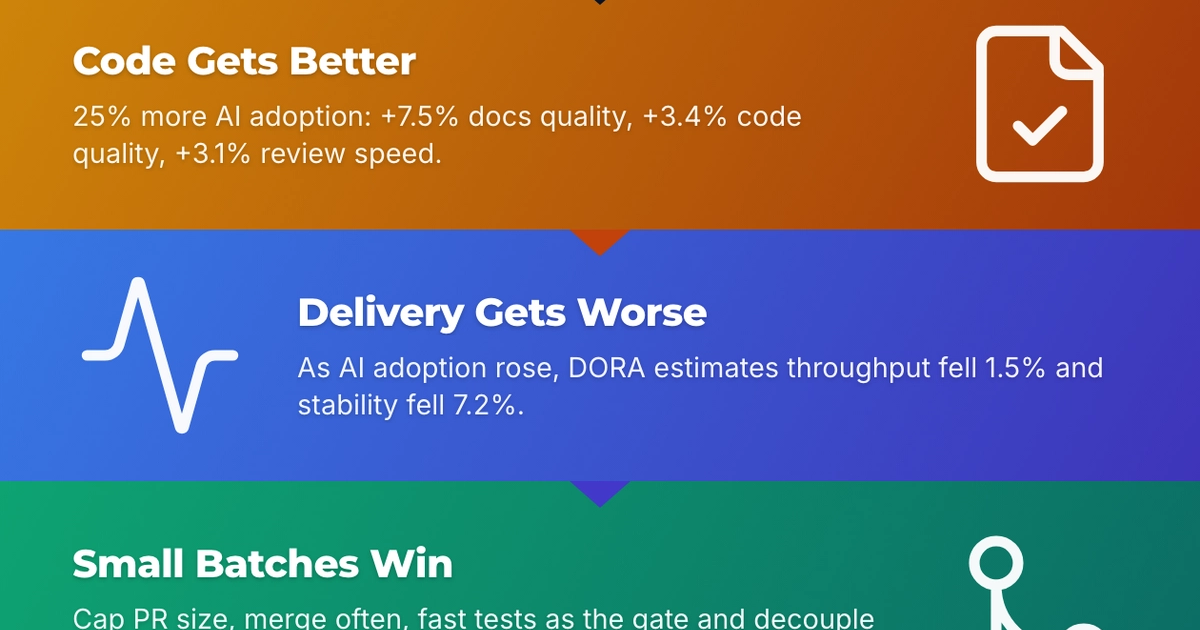
Faster Code, Shakier Delivery: Reading the 2024 DORA Report
The 2024 DORA report finds AI adoption improving code and documentation while delivery throughput and stability slip. The fix is the unglamorous basics: small batches and fast feedback.
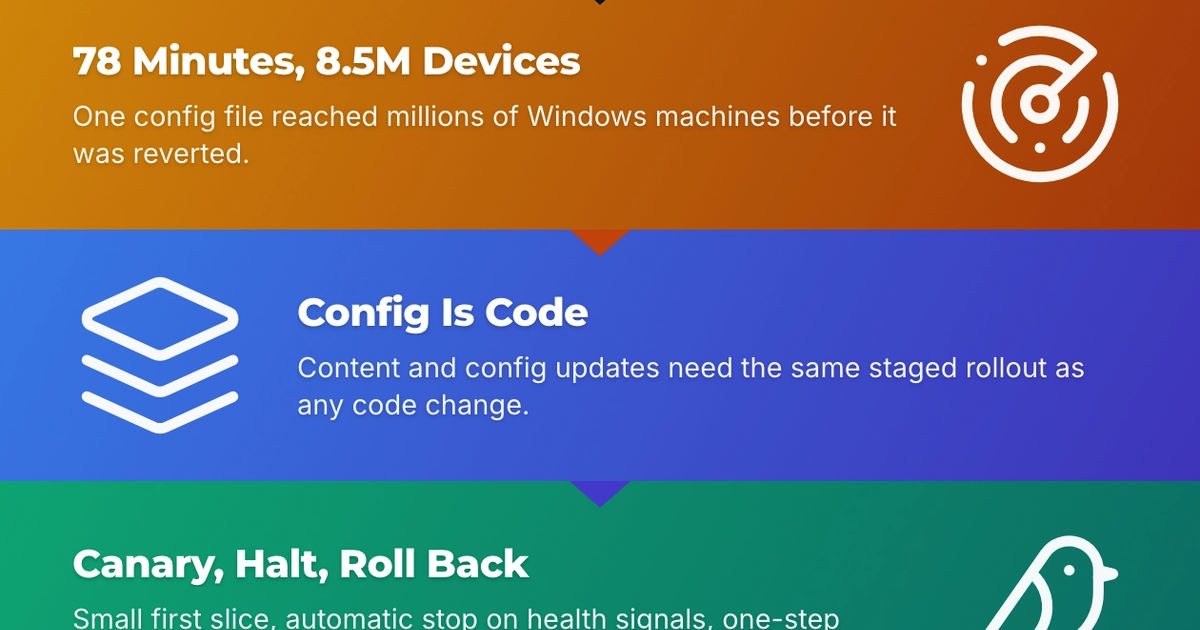
What the CrowdStrike Outage Teaches Us About Shipping AI-Generated Changes
One configuration file reached millions of Windows machines in 78 minutes. As AI writes more of our changes, staged rollouts, canaries and fast rollback stop being optional.
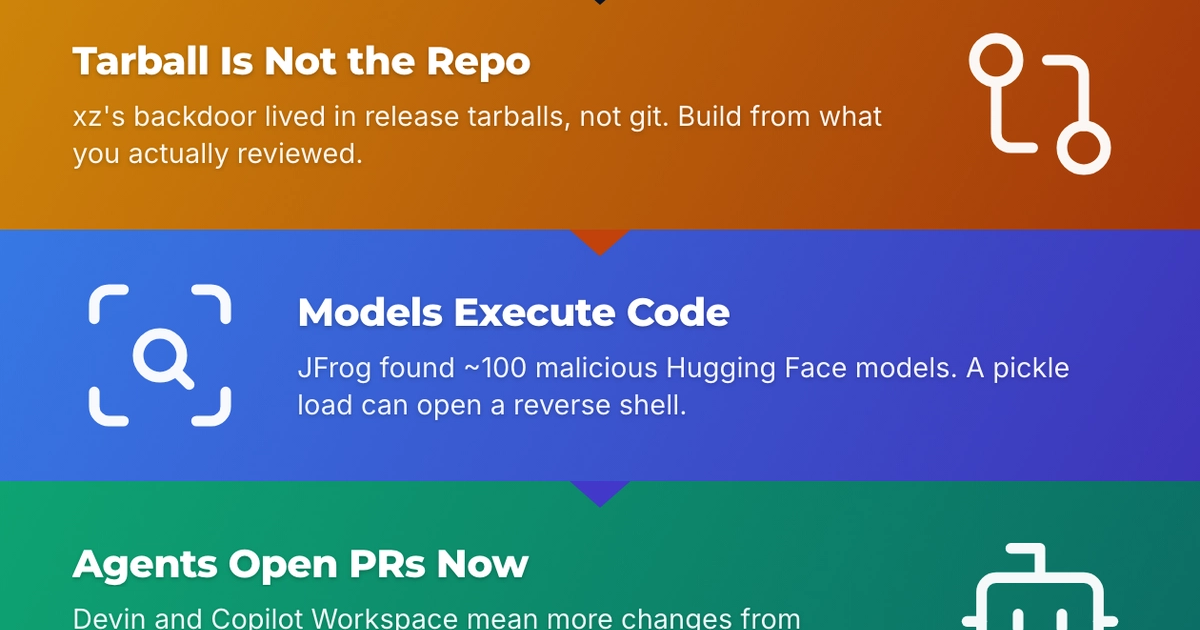
After xz: Supply-Chain Trust When Code, Models and Contributors Are Unknown
The xz backdoor hid in a release tarball, malicious models hid in pickle files, and AI agents are starting to open pull requests. One supply-chain checklist covers all three.
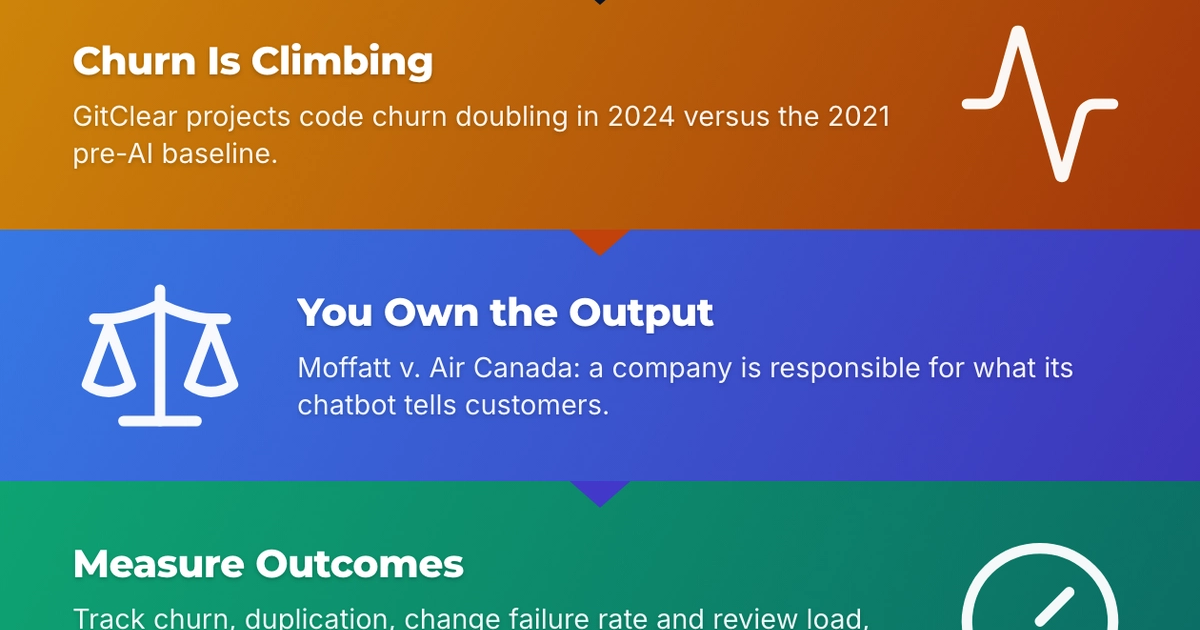
AI Code Debt Is Real: Measure the Churn, Own the Output
New data points to rising churn and copy-paste in AI-assisted codebases, and a tribunal just ruled a company owns what its chatbot says. Here is how to measure the debt and assign ownership.
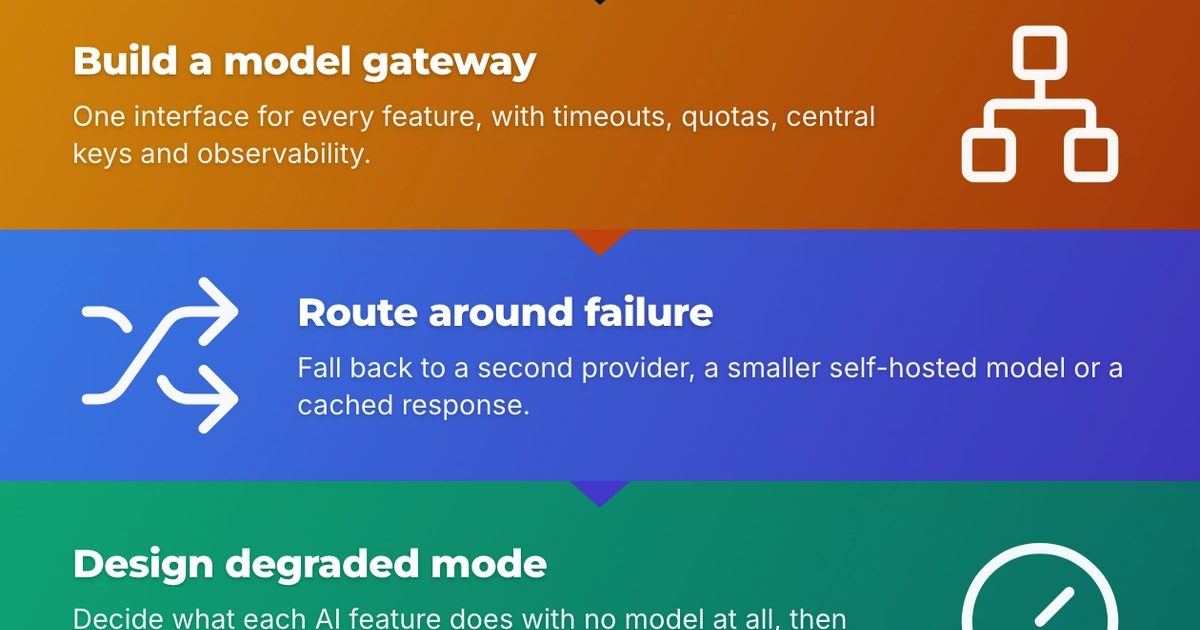
Your AI Vendor Is a Single Point of Failure. Plan for It.
One month brought a major platform launch, DDoS-driven outages and a sudden leadership change at OpenAI. Here's how to architect AI features so a vendor's bad week isn't yours.
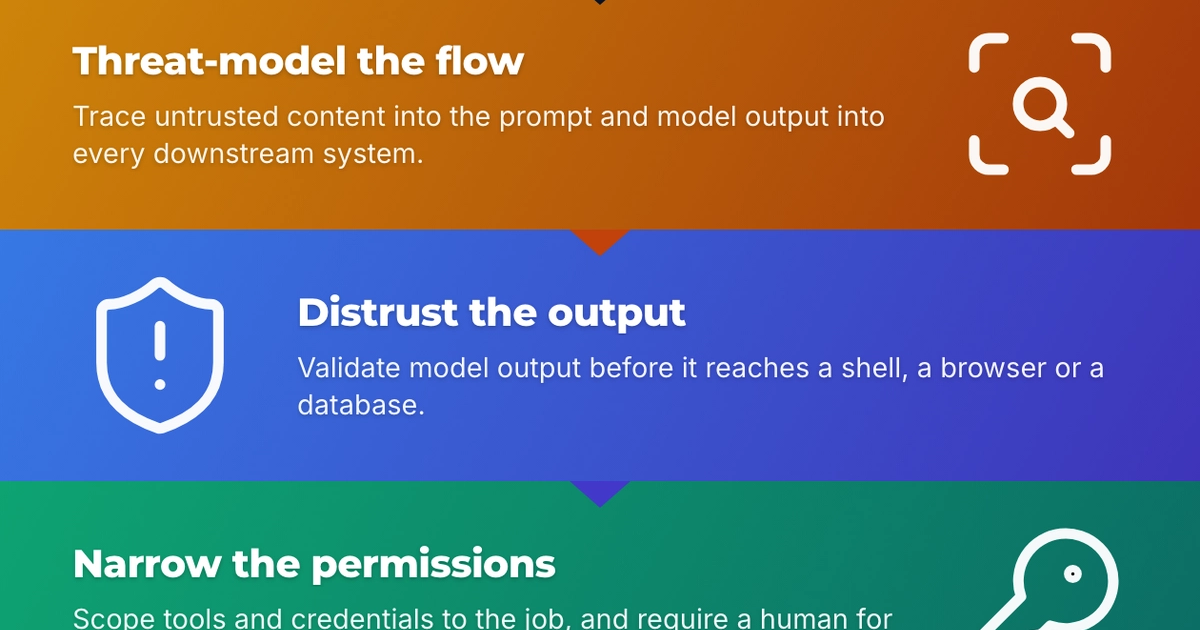
LLM Apps Are Still Apps: Bringing Prompt Injection into Your SDLC
Open models make self-hosting realistic and the OWASP LLM Top 10 gives you a checklist. Threat-model LLM features like any other system, and put evals in CI.
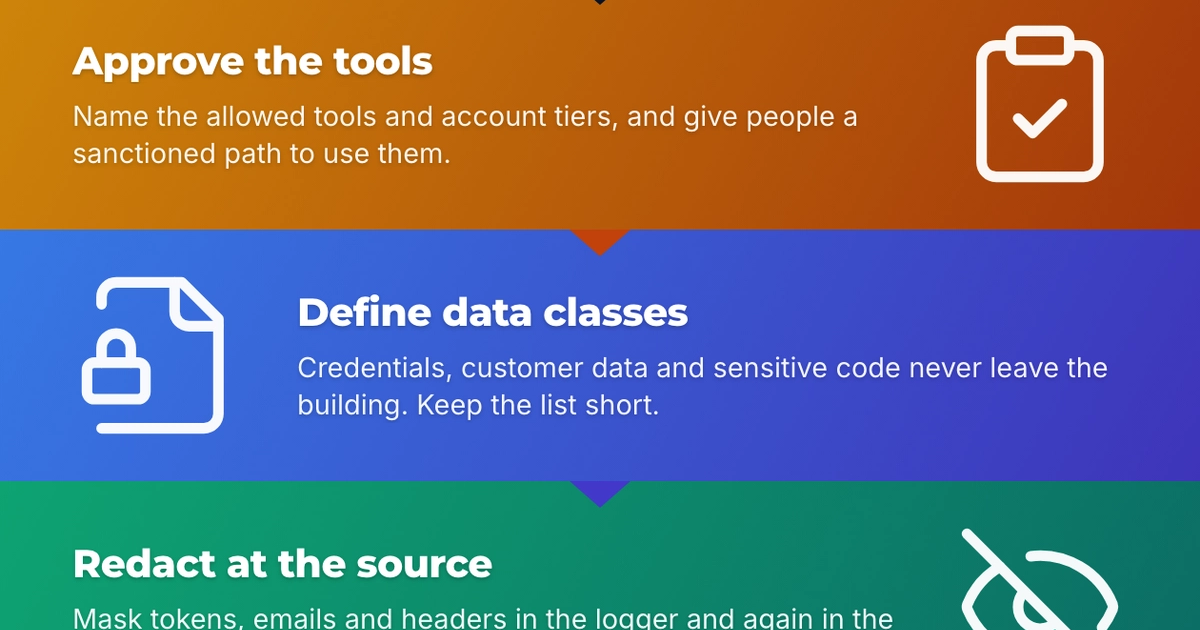
Before You Paste Production Logs into ChatGPT
Data leaving the building is the first operational risk of generative AI. Treat your AI usage policy as a control, and redact sensitive data before it ever reaches a log.
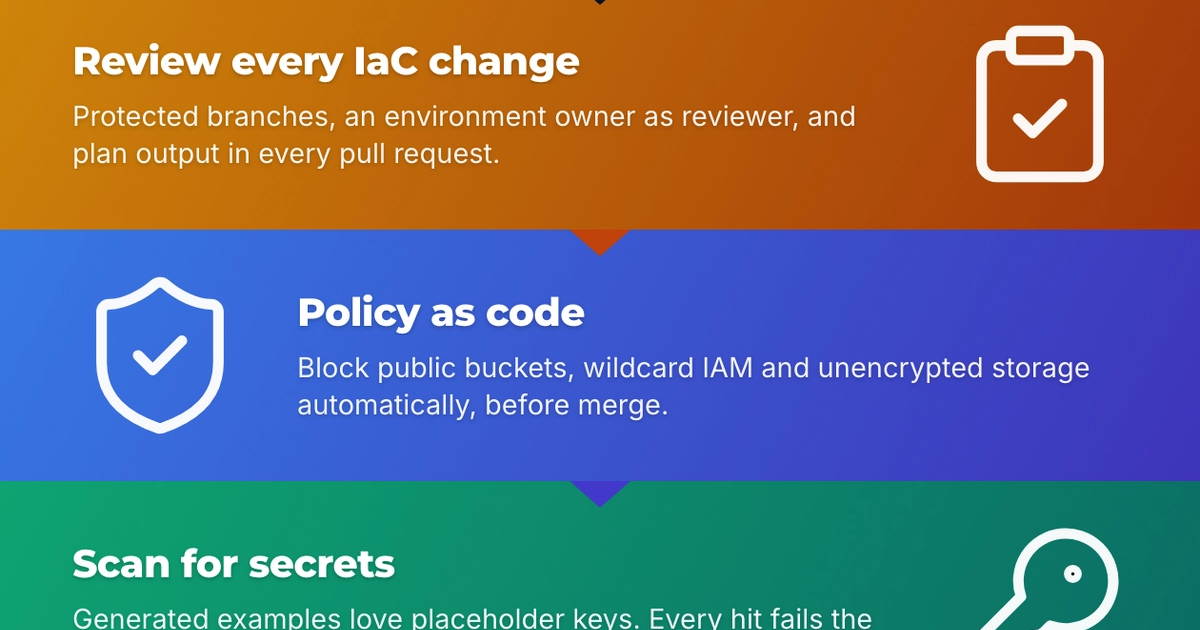
ChatGPT Can Write Your Terraform. Who Signs Off Before It Ships?
AI assistants can draft infrastructure code in seconds. That code is still yours. Here's how to make review, policy as code and CI gates do the trusting.